How To Best Care For Your Wet Room Drain
Where have the old days of boring, predictable plug holes gone? In the past, a sieve would do most of the work, and a plunger would take care of any unexpected disasters.
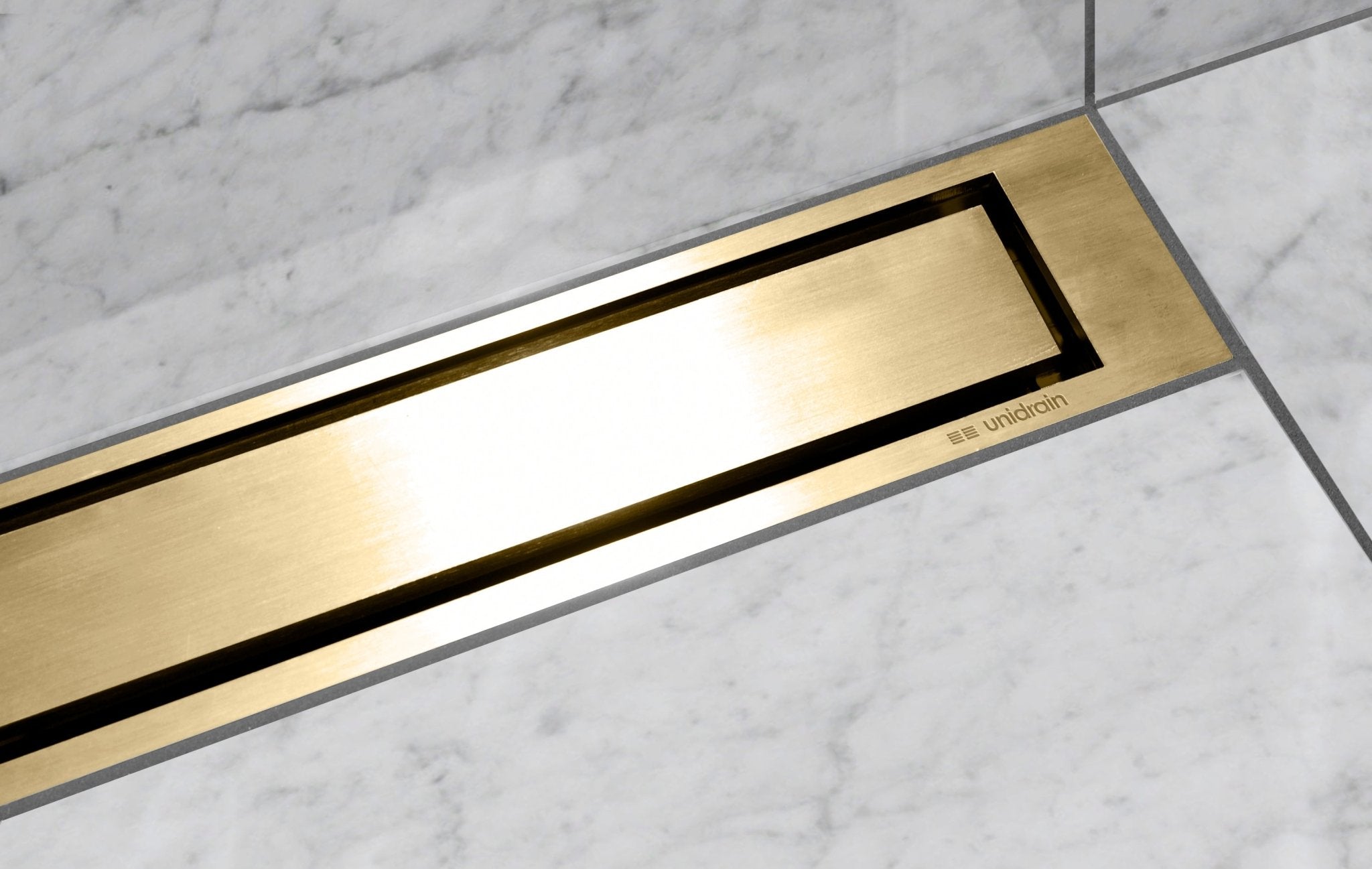
Now that many properties have a wet room - where drains can be rectangular, submerged, or carefully concealed – the question of how to best care for them is a hot topic. At Wet Room Materials, we have over fifteen years of experience based on Scandinavian principles of cleanliness and simplicity. Here is our ultimate guide for drain care!
Always Use The Strainer
Always make sure that your strainer is in place when you are using the wet room. This is common sense, but it is a surprisingly common mishap. The strainer will catch any hairs or other bits and pieces that could block the system.
Clean Regularly
Wet rooms often have concealed drains, so it is easy to forget about them, which can lead to problems. As with any plughole, a daily removal of hair and other debris will stop any build-up and blockage.
Be Gentle
We’re all used to using sodium hydroxide or sulphuric acid in our drains. However, with proper drain care, these should never be needed. Not only are they environmentally hazardous – sulphuric acid causes burns to skin, eyes, and lungs – they also corrode pipes.
A better solution is to use a mixture of bicarbonate of soda and white vinegar. This magic formula is ecologically friendly and wallet-friendly.
Twice a year, use this method:
- Pour very hot water down the drain
- Empty 100g of baking soda into the drain
- Add one cup of vinegar
- Add one cup of very hot water
- Cover for 5-10 minutes
- Flush with a whole kettle of boiling water
- If you maintain your drain with this regular, non-abrasive cleaning, you will protect your pipes and keep the water flowing.
Choose The Correct Drain
There are many different drain designs available. At Wet Room Materials, we have seven different types, each of which is designed for a different circumstance. We’ve patented these, so you won’t find this quality anywhere else, but the aim has been to create drains that carry out the task with minimum fuss.
Ensure that the angle of the slope and the shape of the drain are in synergy. This will depend upon various factors, such as water pressure and volume. If the drain is the ideal shape and size for the wet room, blockages and overflows are unlikely.
Install A Water Softener
One of the major causes of damage to any water-based appliances is limescale. Some geographical areas are more prone to this than others, but most places experience it to some degree or other.
‘Hard’ water causes a build-up of natural deposits in pipes, shower-heads, and drains, which can obstruct flow and lead to blockages.
Vinegar is a natural antidote to limescale. A gentle acid to limescale’s alkaline, a vinegar rinse will control the problem.
However, installing a salt-based water softener will eradicate the issue completely. A water softening unit will ensure that all water flowing through the property is free from lime, which means that all appliances – whether dishwashers, washing machines, or wet room appliances – will not suffer from build-up.
Closing Thoughts
Your or your client’s wet room experience can be ruined by a poorly maintained drain. If you’d like more information on our ground-breaking, Scandinavian-inspired drain designs, please download our free guide. The best way to clean your drain is with our cleaning kit!