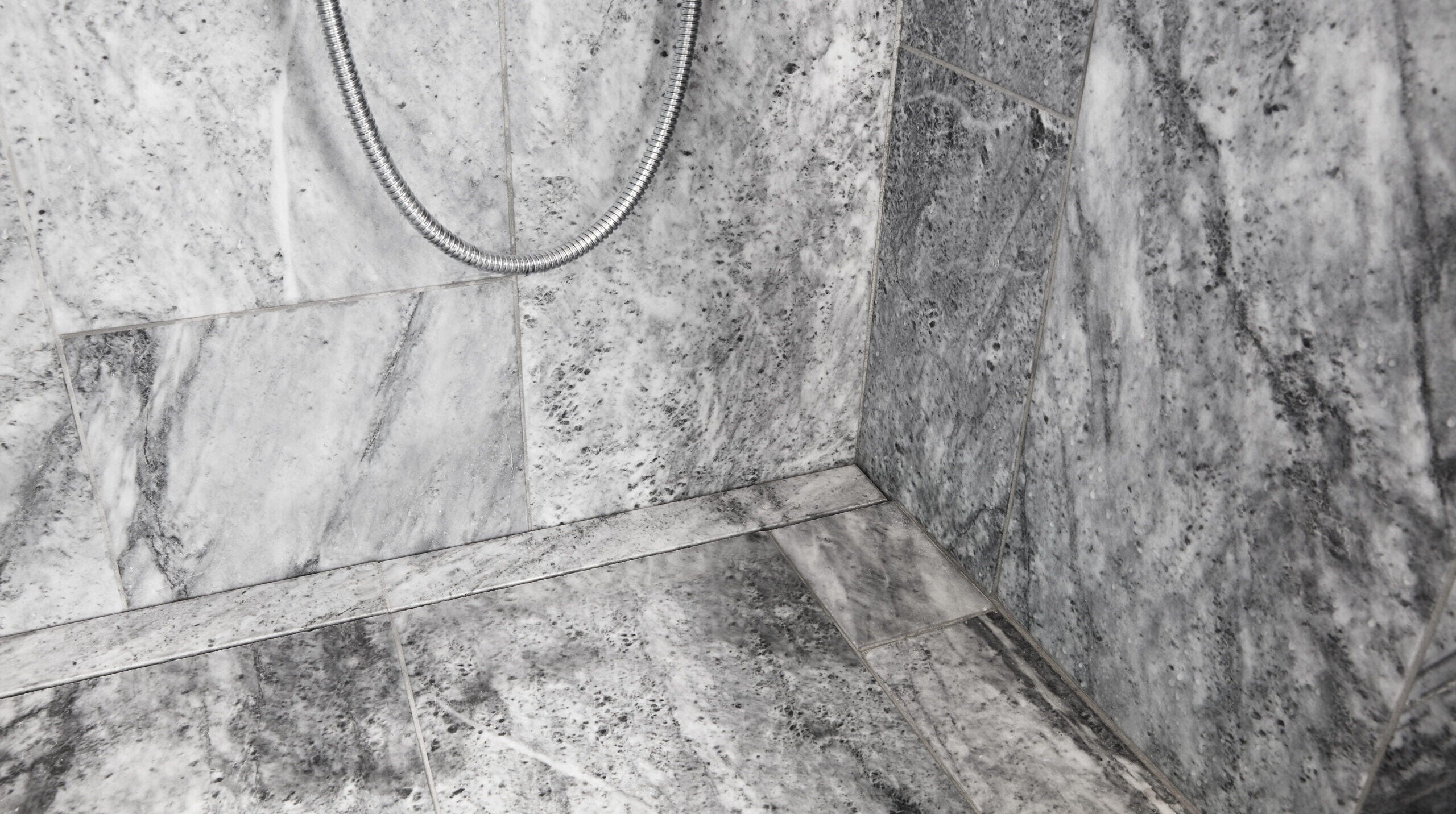
How To Create A Leak-Free Wet Room
Preventing leakages
There is a growing demand in the UK for wetrooms: they offer a luxury feel, create spaciousness and give you that hotel experience in your own home! But a question people often ask when installing a wet room is how to ensure the room is properly waterproofed to prevent leakages. We understand that you may have these concerns when installing your wetroom, which is why we have put together our tips to achieve a waterproof wetroom design.
Read our tips below:
1. Ensure your subfloor is of good quality
An early consideration of installing a wetroom on a timber floor should be the subfloor. This is the foundation floor that rests on the joists and is what the waterproofing and wetroom tiles are placed on. A plywood support should be installed between the joists to create a strong and sturdy subfloor on which the wetroom is fitted. The additional support will reduce movement and prevent cracking in the tiles and grout that could leak through.
2. Resilient tanking
Tanking is the layer between the wetroom drainage and the floor tiles. When executed correctly, it provides a lasting and robust defence against leakage. Ensuring you invest in quality tanking and installation is worthwhile in preventing damage from leaking. If you are looking for professional training to install your wetroom tank correctly, then look no further.
3. Adequate drainage
When designing a wetroom it is crucial that the wet room drainage has been well thought out. Making sure your drains are fit for purpose is very important as they need to be located in the correct position, fitted according to the manufacturer’s instructions and that they use a compatible waterproof membrane. Checking the certifications of any wet room drains you want to install is also a good idea.
4. The tiles are installed correctly
A common cause of leaks in wet room designs is poor tiling. A poor tiling adhesive or grout will increase the chance of your tiles coming away from the tanking membrane, which can, in turn, increase the chances of a leak. When applying adhesive, the 100% methods should be used instead of the dot and dab method. It prevents the water from tracking through the gaps in the ties and leading to leaks.
5. Experienced installer
Finding the right installer with the correct experience of wet room installation is key. A botched job can be done by inexperienced builders and can cause problems for you down the line. A wet room requires a specialised installation, and finding the right person to install your wet room will make all the difference in keeping your wetroom leak free.
Installing a wetroom in the right way can make all the difference in creating a wet room that lasts. The benefits of a wetroom to your property include improved safety, ease of cleaning, and they can even add value to the price of your home so ensuring it is installed correctly to prevent leakage is really important.
Contact us today to get your wet room questions answered or find out more about the products we offer.