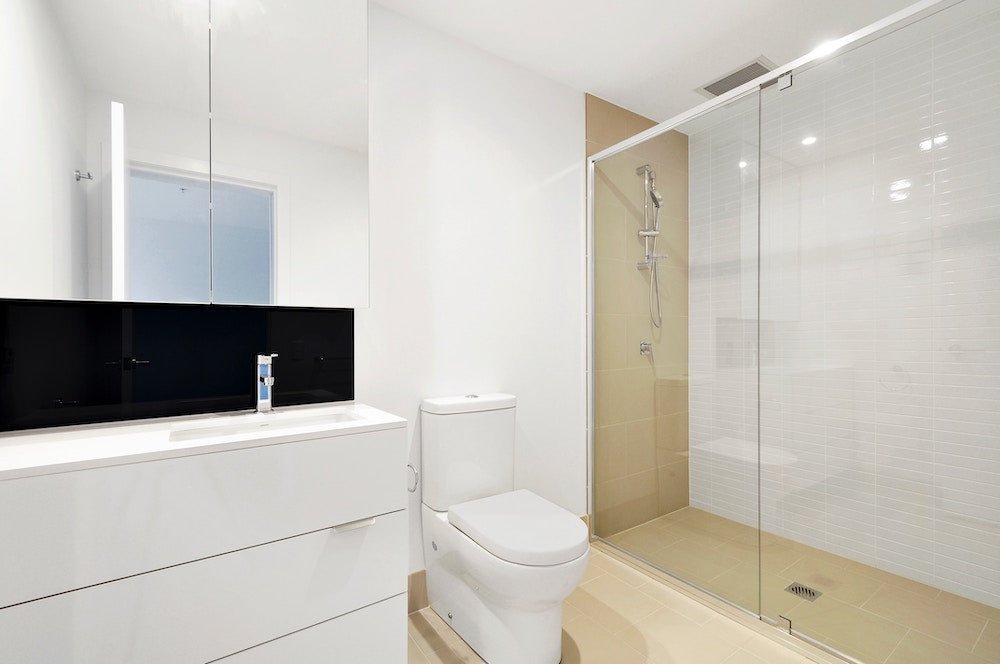
Planning to Installation: Turning a Loft Into a Wet Room
Turning your loft into a wet room has numerous advantages, including increasing the value of your property, expanding your functional living space and adding a ‘wow’ factor to your house. If you are still deciding whether or not a loft conversion is right for you, then it might be useful to read our blog ‘Why You Should Turn Your Loft Into A Wet Room’.
Decided? Read on for our planning and installation tips for turning your loft into a wetroom...
Initial Planning
Once you have decided whether to go ahead with the conversion, the next thing to do is to plan. Draw up a scaled floor plan to give you an idea of the space you’ll be working with, taking time to figure out the distance from floor to ceiling so you know where a person can stand at full height. It’s important to position the shower, sink and mirror in these full-height areas to avoid having to hunch over.
Planning Permission
For the majority of loft conversions, especially those where you are not extending or altering the roof space, you do not need planning permission because they generally fall under the category of your permitted development rights. However, there are a few exceptions, so it’s best to check with a builder or architect once you’ve got an idea of what you want to do, just to confirm.
Choosing Fixtures and Fittings
When it comes to choosing the fixtures and fittings within your loft conversion, you must centre it around space-saving solutions. With most lofts having only a limited amount of vertical wall space, you have to be selective with your design. You can use the corners of the room to position a corner-fitting bathroom suite, like with a corner-shaped toilet and sink unit.
In a wet room, your shower doesn't need a type of enclosure or glass screen. All you need is a showerhead fixture on a vertical wall.
Water System
You also need to consider what type of water system you have. Most properties host a gravity-fed system, with the water tank in the loft. When extending into the loft, it is likely that any water outlets in your new wetroom will be higher than the tank itself, meaning a gravity-fed system won’t work. To solve this issue, you need to move the tank to a higher position in the loft space, ensuring the base is at least 60cm higher than your taps and shower outlet - or add a negative shower head pump to your system.
Installation
When it comes to the installation of the wet room, it’s important that it is done perfectly in order to prevent immediate and ongoing damage to the property. It requires a lot more than just installing a toilet, shower and sink system.
The whole room needs to be tanked and waterproofed, with each component plumbed in with best practices and following building regulations. Remember that if you are inexperienced or a beginner with wet room installation, please do not attempt to do this yourself. Tanking the wetroom properly adds a secure layer of protection between the walls, ceiling and flooring to prevent leaks.
Make sure that your wetroom is properly ventilated, as it is an important factor for protecting against mould and fungus. A strong electric fan is the best solution, with a time switch so that the fan will still be working for a while after you have left the bathroom.
A lot of people also opt for underfloor heating, which is a great way to add room heating without the need for a wall-hung radiator, which can also take up valuable space.
How can we help
If you would like to do more with your loft space, a wet room is the perfect way to do so. We offer a large range of wet room kits and bathroom products. We also provide a nationwide wet room installation service with our official contractor, Wetroom Materials Installations.