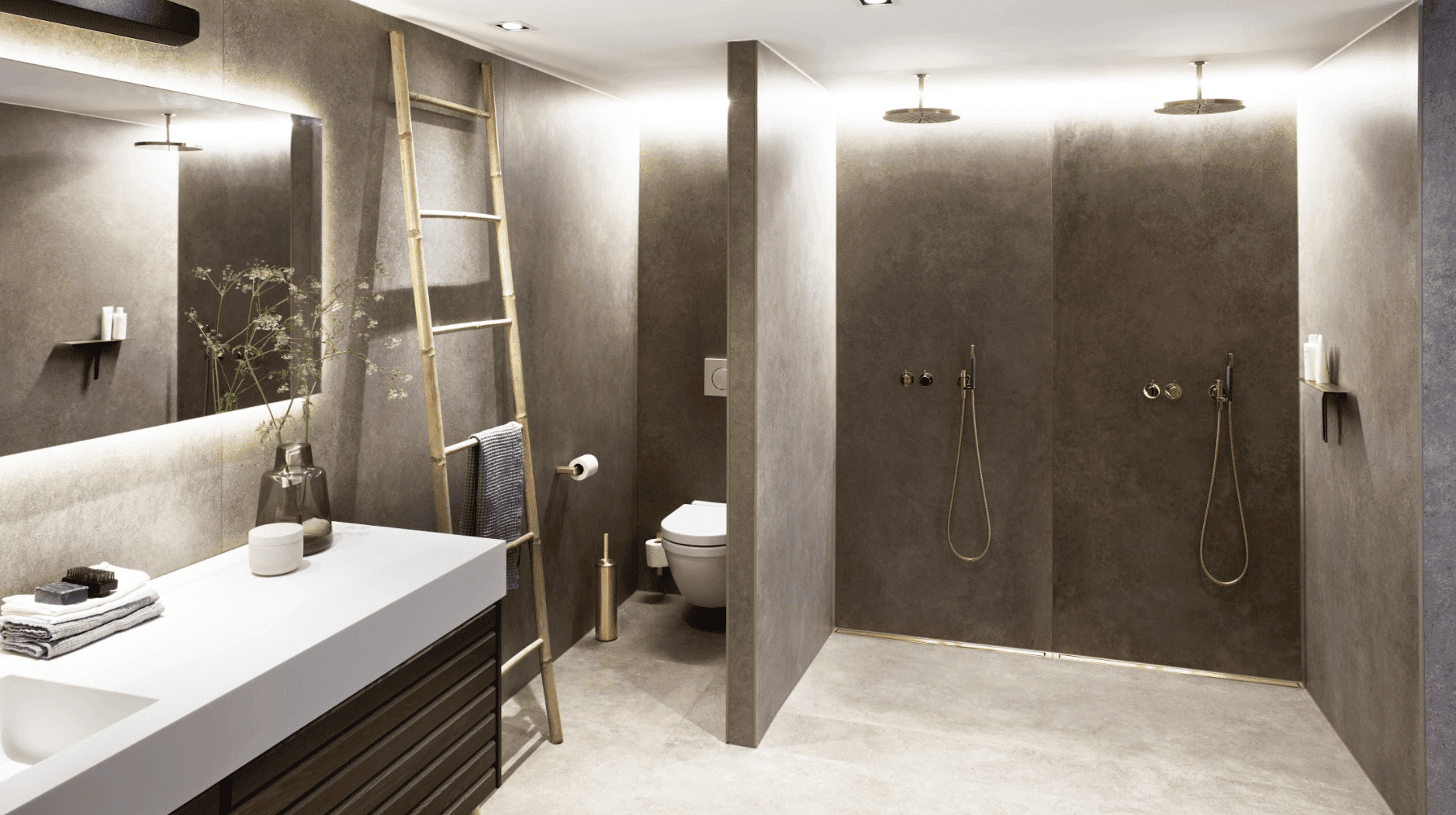
Article: The Guide to Wet Room Kits for Timber or Wooden Floors
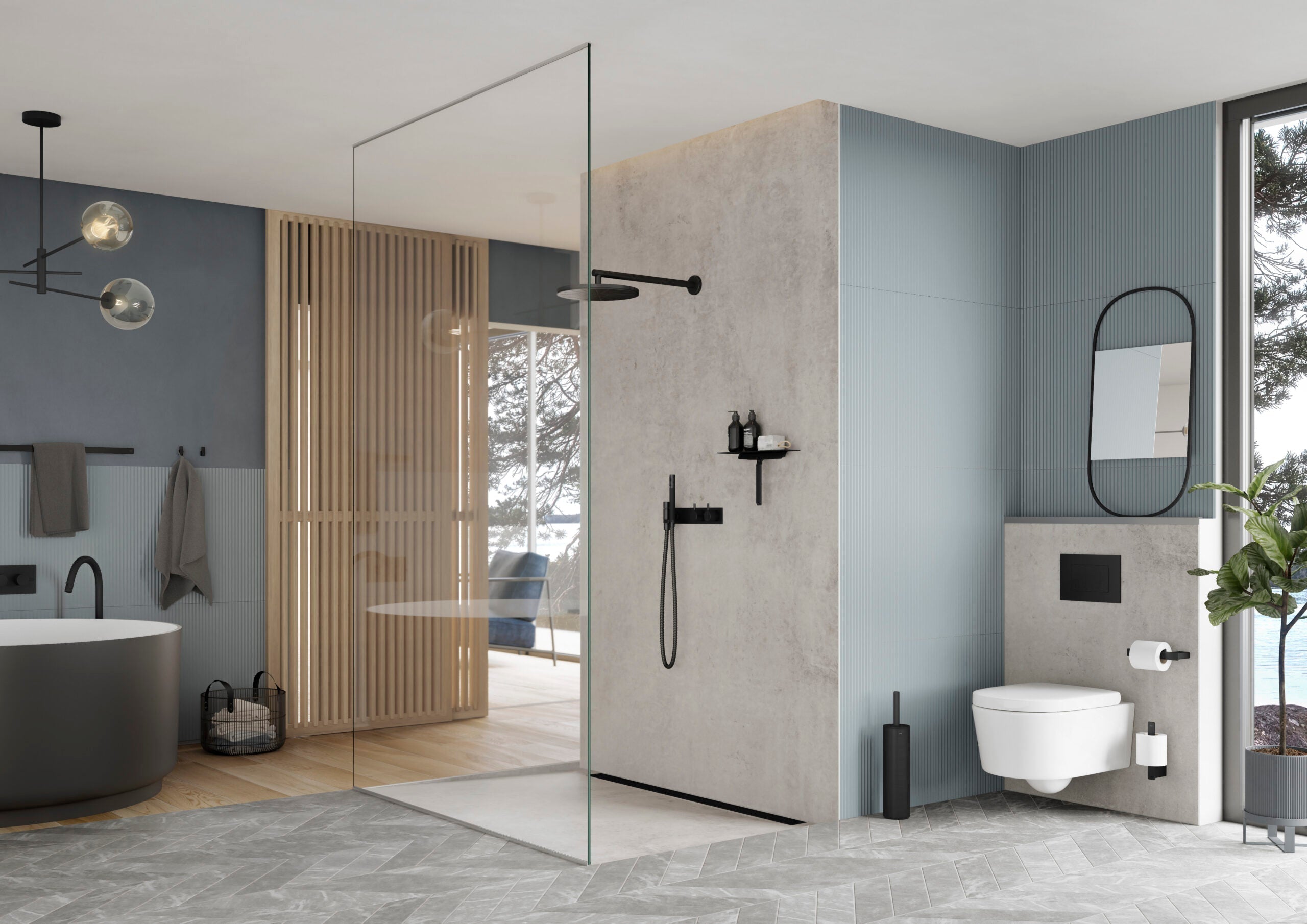
The Guide to Wet Room Kits for Timber or Wooden Floors
Can you fit a wet room on a timber floor? It is one of the most common questions in the industry, and the short answer is, yes. But the type of wet room drain kit you use matters.
A wet room kit that is designed for a concrete slab won’t perform as well on a suspended timber floor. Typically, timber floors move, flex, and respond differently under load, meaning the chosen wet room kit must work with that behaviour or the installation won’t last.
As with all wet room installations, proper subfloor preparation is key; a full tanking system is required. Done properly, a timber-floor wet room is every bit as robust as its concrete counterparts; you just need to ensure you pick the right wet room kit specification.
Why Timber Floors Require a Specific Kit
Timber and concrete behave differently under load, under moisture, and over time. Concrete is rigid and dimensionally stable. Timber isn't. A suspended timber floor is a living structure - joists flex under foot traffic, seasonal moisture shifts cause expansion and contraction, and the whole assembly moves in ways that a concrete slab never will.
Standard wet room kits designed for concrete rely on the rigidity of a screeded slab to maintain falls, support tile adhesion, and resist cracking. On timber, that rigidity simply doesn't exist. Without a kit engineered for the specific behaviour of a wooden subfloor, the result is predictable: cracked tiles, failed grout lines, compromised waterproofing, and eventually leaks that are far more expensive to fix than the right kit would have cost in the first place.
The technical threshold is deflection. BS 5385-1 recommends maximum deflection limits for tiled floors: L/360 for ceramic tiles and L/720 for natural stone. Over a 3-metre span, that translates to a maximum allowable movement of 8.3mm for ceramic or just 4.2mm for stone. Many older timber floors exceed these tolerances without reinforcement, which is why a structural assessment should be considered an essential first step.
Weight compounds the problem. Concrete floors absorb heavy screeded formers without complaint. Timber joists have load limits, and a wet room adds meaningful dead weight - the former, adhesive, tiles, and standing water all add up, and the most sensible approach to installing on a timber floor is to look at lightweight composite formers.
All substrates in wet areas, including domestic timber floors, must be waterproofed with a proprietary tanking membrane system before tiling. NHBC Standards 2023 specify that an impermeable liquid-applied waterproofing membrane is used behind tiles in every bath, shower, and wet room installation. BS 5385-1 and NHBC Standards are widely regarded as the benchmark for professionally specified wet room installations in the UK.
What Makes a Timber-Suitable Wet Room Kit Different
A wet room kit for timber floors differs from a concrete kit in four ways that matter: the former has the drainage routing, the decoupling layer, and the overall weight.
The Former

On concrete, falls are typically created by screeding - building up a mortar bed shaped to direct water toward the drain. On timber, that approach can add additional weight if incorrect products are used. Timber-floor kits use pre-formed lightweight composite formers instead. They sit directly on the plywood subfloor, between or across joists, and deliver a stable, correctly graded surface without the mass of a screed bed.
The UniSlope 1K is engineered for exactly this scenario - suitable for both concrete and wooden floors, it creates a single-direction fall toward a wall-mounted linear drain. The one-way slope simplifies tile cutting and keeps the drain out of the main standing zone. For projects requiring a centre or corner drain position, the UniSlope 2K, 3K, and 4K ranges offer the flexibility to match different layouts.
Drainage Routing
On concrete, drainage pipework runs beneath the slab, and routing is rarely a constraint. On timber, the drain outlet must pass between joists without cutting through them, which often compromises structural integrity. Good timber-floor kits solve this with rotating drain apertures or flexible outlet positions, allowing pipework to route around the joist layout rather than through it.
Decoupling
A decoupling membrane is strongly recommended on timber floors. This intermediate layer sits between the tanking and the tiles, absorbing the micro-movements of the timber structure and preventing them from transferring into the tile bed. Without it, even minor flexes will crack grout lines and eventually lift tiles. For large-format tiles, a decoupling membrane isn’t optional; it is fundamental to the specification of a high-end wet room.
Weight
Every component in a timber-floor wet room needs careful consideration so it doesn’t overload the joists. Lightweight formers, thinner tile formats where appropriate, and disciplined material selection all contribute to keeping the installation within the structural capacity of the floor. This is where a purpose-built timber kit pays for itself; the engineering has already accounted for the constraints you'd otherwise discover the hard way.
Subfloor Preparation
The subfloor is often the deciding factor in whether a timber wet room installation performs long-term. It must be structurally sound and stable to provide a suitable foundation for the system.
Remove Existing Floorboards
Chipboard, OSB, and original softwood boards are generally not suitable substrates for a wet room. Standard OSB boards are generally not recommended for wet room installations because prolonged moisture from areas not protected by a waterproof membrane can cause swelling and compromise the substrate over time. Many professional installers will use moisture-resistant plywood or manufacturer-approved tile backer systems for timber-floor wet rooms.
Overlay with Moisture-Resistant Plywood
The replacement substrate is typically 18-25mm moisture-resistant plywood or an equivalent structural tile backer system, depending on joist spacing and the wet room system specified. All boards should be securely fixed at maximum 300mm centres with countersunk screws to create a stable, movement-resistant base for the tanking system and tile finish.
Stiffen the Joists
Timber joists need stiffening with noggins. These are short strengthening timbers fitted between joists to reduce lateral movement and increase rigidity. Standard joist spacing for most wet room formers is 400mm centres. Where the existing layout falls short, additional noggins or sister joists bridge the gap. In older properties with undersized joists, common in period homes, it is advisable to strengthen the floor in line with building standards.
Create the Fall
To achieve true level access in a timber floor construction, it is often necessary to lower the floor within the shower area. This is typically achieved by battening or recessing between the joists to create the required depth for the wet room former. As the gradient is already built into the former itself, the recessed installation allows the finished tiled floor to remain flush with the surrounding floor level.

The exact fall requirement varies by system design, but the floor must achieve a consistent gradient that allows water to drain efficiently without pooling. WM recommends between 1.4% - 2% depending on your floor finish.
Can You Install a Wet Room Upstairs?
It is common for timber-floor wet rooms in the UK to be installed on upper-storey suspended timber floors rather than ground-floor concrete slabs, and sometimes the installation is actually easier! The key is ensuring the floor structure is properly prepared to manage movement, allow for loading and the room is fully waterproofed.
Because upstairs wet rooms sit above habitable rooms, waterproofing and drainage detailing become even more important. A correctly installed tanking system protects not only the bathroom itself, but also the ceilings and rooms below from water damage.
On retrofit projects, the existing joist layout is often what determines where the drain can realistically go. Purpose-designed timber wet room kits simplify this process by allowing greater flexibility around joist spacing and outlet direction.
Can you use underfloor heating in a timber-floor wet room?
Underfloor heating is fully compatible with timber-floor wet rooms and is increasingly specified in residential bathrooms. Both electric mat systems and wet / water underfloor heating can be incorporated successfully, provided the floor build-up is designed correctly from the outset.
On suspended timber floors, insulation beneath the heating system is particularly important. Without it, significant heat loss can occur into the void below the joists, reducing efficiency and increasing warm-up times.
Heating elements should always be installed in accordance with the manufacturer's guidance. It is common practice to keep the heating away from the drain to prevent the water trap from drying out. Always check that the UFH system is compatible with the waterproof membrane.
Tanking and Waterproofing
Tanking is not optional. BS 5385-1 (revised 2018) requires all substrates in wet areas to be waterproofed with a proprietary tanking membrane system before tiling. Domestic installations are also included in these regulations.
Two systems dominate: liquid-applied membranes and sheet membranes.
Liquid tanking membranes are acrylic or polymer-based products applied in two coats with reinforcing tape at junctions. They conform well to complex shapes and around penetrations such as pipe entries, shower screen fixings, and drain connections. The LIP Waterproof Tanking Kit is eco-friendly and comes in 3kg and 12kg sizes to match different project scales. The membrane dries as a flexible sheet and is ideal for wooden floors.
Sheet membranes are polyethene sheets bonded with modified adhesive, joints overlapped and sealed. They deliver consistent thickness across the whole surface, and many include built-in decoupling properties.
BS 5385-4 recommends that waterproofing extends at least 1,200mm high around shower areas and a minimum of 300mm beyond the splash zone. However, WM recommends waterproofing the full shower area, 500mm outside of the shower, the bathroom floor, and walls behind baths for maximum protection. Water does not recognise where the tanking stops — any unprotected area can become a point of failure.
The highest-risk zones are floor-to-wall junctions - the internal corners where horizontal meets vertical. This is where the majority of wet room leaks start, and these junctions demand reinforcing tape and additional membrane overlap.
Useful Links
Drainage Options
Drainage choice shapes the fall design, tile layout, aesthetic, and flow capacity of the entire wet room. On timber floors, it also dictates joist routing and structural detailing.
Linear Drains

For timber floors, linear drains are best manufactured from stainless steel due to their rigidity and dimensional stability. Stainless steel channels maintain their shape over the length of the drain, helping to support accurate tile alignment and long-term performance. Plastic linear drains may offer a lower initial cost, but they can have a tendency to flex or deform over time, particularly across longer lengths.
Linear drains require only a single-direction gradient, which simplifies both subfloor preparation and tile cutting. They pair particularly well with large-format tiles, as it means fewer cuts, cleaner lines, and a more contemporary finish. Wall-mounted options, such as the Unidrain wall-mounted range, position the drain at the perimeter of the wet area, keeping it away from the standing zone for improved comfort and aesthetics. By locating the drain at the critical floor-to-wall junction and incorporating a stainless steel vertical wall flange, the system also provides enhanced waterproofing protection in one of the most vulnerable areas of the installation.
Linear drains can deliver higher flow rates than point drains, making them the natural fit for larger shower areas and rainfall showerheads. They're the predominant choice in high-end residential and commercial specifications for this reason.
Drain capacity should always be matched to the shower specification. High-output rainfall showerheads, body jets, or multi-outlet systems can discharge water faster than undersized drains can remove it. Premium linear drain systems typically offer higher flow capacities and are better suited to larger shower areas where water volumes are greater.
Point and Square Drains
Point drains and square drains are more compact and typically lower cost. They require a four-way fall where the floor slopes from all directions toward the drain. This means more complex tile cutting, particularly with larger format tiles. For smaller wet rooms or projects where budget takes priority, they remain a perfectly practical option.
On timber, the drain position must be planned around the joist layout. The outlet passes between joists, never through them. Kits with rotating outlets or adjustable positions provide the flexibility to work with the existing structure.
Finish Compatibility
Timber-floor wet rooms accommodate the same finish range as concrete installations, assuming the subfloor preparation and decoupling are properly specified.
Ceramic and porcelain tiles remain a common choice for the finish. On timber, the L/360 deflection limit applies, and a decoupling membrane should sit between the former and tile bed to absorb movement.
Natural stone demands tighter tolerances (L/720 deflection) and carries more weight, so joist capacity must be confirmed before specification. Stone is absolutely achievable on timber; just be prepared for it to require more rigorous structural work.
Large-format tiles (600x600mm and above) are increasingly the default in wet room design. They reduce grout lines, create a cleaner finish, and suit linear drain configurations well. On a timber floor, they're a viable choice but must feature a decoupling membrane to reduce movement.
The SharpSlope range accommodates tiles with a minimum thickness of 8mm and is available in multiple finishes - brushed stainless steel, black, brass, nickel, and bronze - plus a tile-insert option for an almost invisible drain line.
The Unislope Range is suitable for any thickness of tile from the thinnest mosaic to 30mm thick stone.
Slip Resistance
Slip resistance is an important consideration in any wet room, particularly in family bathrooms, hospitality settings, or accessible shower spaces. Tile selection affects not only the appearance of the room, but also how safely the floor performs when wet.
Large-format porcelain tiles are increasingly popular in wet room design due to their clean, seamless appearance and reduced number of grout lines. Fewer grout joints create a more premium aesthetic while also making the floor easier to clean and maintain.
Porcelain mosaics remain a popular option; they improve underfoot grip while making it easier to accommodate falls toward the drain. Mosaics are a great choice for a centre point square drain wet room kit.
For residential wet rooms, many specifiers look for tiles suitable for barefoot wet areas, while commercial projects may require higher slip-resistance ratings depending on the environment and intended use. The drain layout and fall design should always be considered alongside tile selection to ensure both drainage performance and user safety. If you are considering a vinyl floor for your wet room, this requires a specific wet room kit as the drain needs to clamp the vinyl in position to create a water-tight connection.
Common Pitfalls and Warranty Considerations
Most timber wet room failures trace back to a handful of recurring mistakes. They're avoidable but only if the specification accounts for them upfront.
-
Using a concrete-floor kit on timber is one of the most common errors.
Concrete kits assume a rigid, dimensionally stable substrate. On timber, they crack, flex, and lose waterproof integrity. Always specify a kit rated for suspended timber floors. -
Skipping or skimping on tanking.
A floor former channels water toward the drain. The tanking membrane is what prevents water from reaching the subfloor. Without full tanking - floor, walls, junctions, and every penetration - the installation fails BS 5385-1 and will leak. It's a question of when, not whether. -
Insufficient joist stiffening.
Noggins, sister joists, and deflection checks all exist for a reason. Timber floors that flex beyond L/360 will crack tiles and grout regardless of what former sits on top. -
Neglecting sealant maintenance.
Silicone at junctions and penetrations has a lifespan of roughly five years. It's classified as maintenance, not a warranty item, but when it fails, it opens a path for water past the tanking layer. -
Incorrect falls.
Insufficient gradient causes pooling rather than drainage. The specification is generally recommended to be 14mm per metre toward the drain.
Warranty
Many leading manufacturers condition lifetime guarantees on installation by trained or approved installers. An incorrectly installed system will not be covered, regardless of product quality.
Warranties typically cover structural or material failure only and not the installation itself. Silicone, grout, and tile finishes are considered wear-and-tear items and are generally excluded from coverage. Sealant degradation is typically classified as maintenance rather than product failure.
To provide additional peace of mind, WM also offers a 10-year No Leak Waterproofing Guarantee when installations are carried out by WM installers. This provides confidence that the wet room system has been professionally waterproofed to perform reliably over the long term.