Wet Room Benefits and Design Considerations
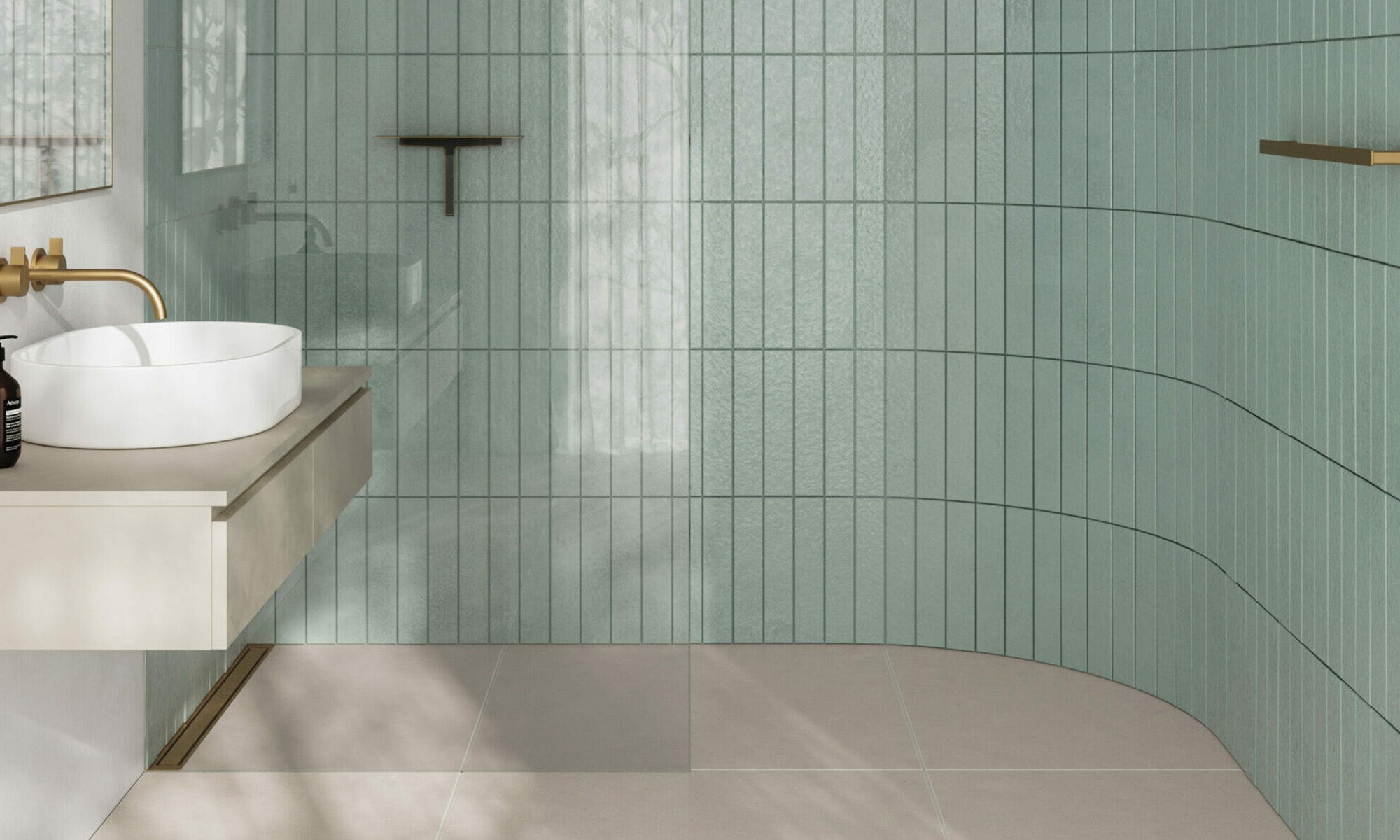
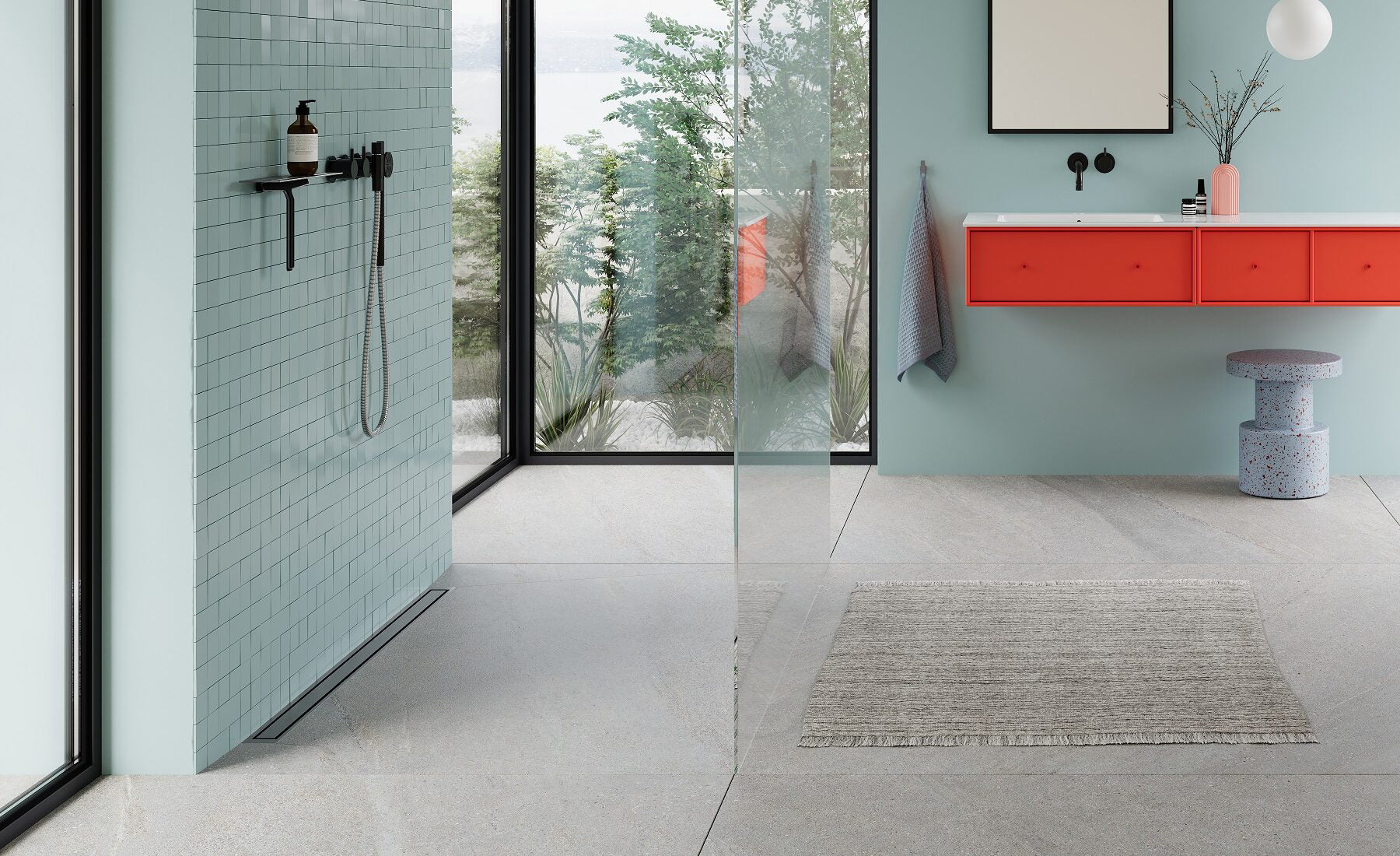
Wet rooms are becoming a firm choice for UK Architects and Interior Designers when designing stylish and practical modern bathrooms. Characterised by their open-plan design, wet rooms eliminate traditional shower enclosures, allowing the entire bathroom to function as a showering space. While wet rooms offer numerous advantages, they need to be considered. This article explores the benefits of incorporating a wet room into your bathroom design and the extra details you will need to consider when specifying your solution.
Benefits of a Wet Room
- Enhanced Aesthetic Appeal: Wet rooms provide a sleek, contemporary look that can significantly enhance the visual appeal of a home. The minimalist design creates a sense of space and openness, making even small bathrooms feel larger and more luxurious.
- Improved Accessibility: Wet rooms are highly accessible, making them an excellent choice for individuals with mobility issues, the elderly, or those who require wheelchair access. The absence of shower trays and enclosures eliminates obstacles, allowing for easy movement. Wetrooms can futureproof a home without compromising style.
- Ease of Cleaning: The open design and use of waterproof materials make wet rooms easier to clean compared to traditional bathrooms. With fewer nooks and crannies, dirt and grime have fewer places to accumulate. Additionally, the seamless surfaces can be quickly wiped down. In fact, many wet room designs now have a second-floor drain discreetly placed to aid the cleaning process.
Cleaning and Maintenance Guide
- Maximised Space Utilisation: Whilst wet rooms may be the showpiece in a large luxury bathroom, they are also ideal for a small, tight space. In a small bathroom, by eliminating bulky shower enclosures, every inch of the room is utilised efficiently. This can make small bathrooms feel more spacious and less cluttered.
- Increased Property Value: A well-designed wet room can add value to a property. Potential buyers often view wet rooms as a desirable feature, particularly in modern or high-end homes. This can be a significant selling point going forward
Considerations
Specification of the wet room kit: With many wet room systems and floor drains on the market, it’s very important to specify a kit that not only suits your bathroom layout, but one which will cope with the volume of water from the shower, and work beautifully with your chosen floor finish.
Installation When creating a level access shower area, its import to remember that you will have to recess your floor to allow for your shower slope and wet room drain. Consideration must be given to the depth of your floor build-up to ensure you have enough space for the drain and slope. It is advisable to engage with a competent tradesperson to carry out these structural works.
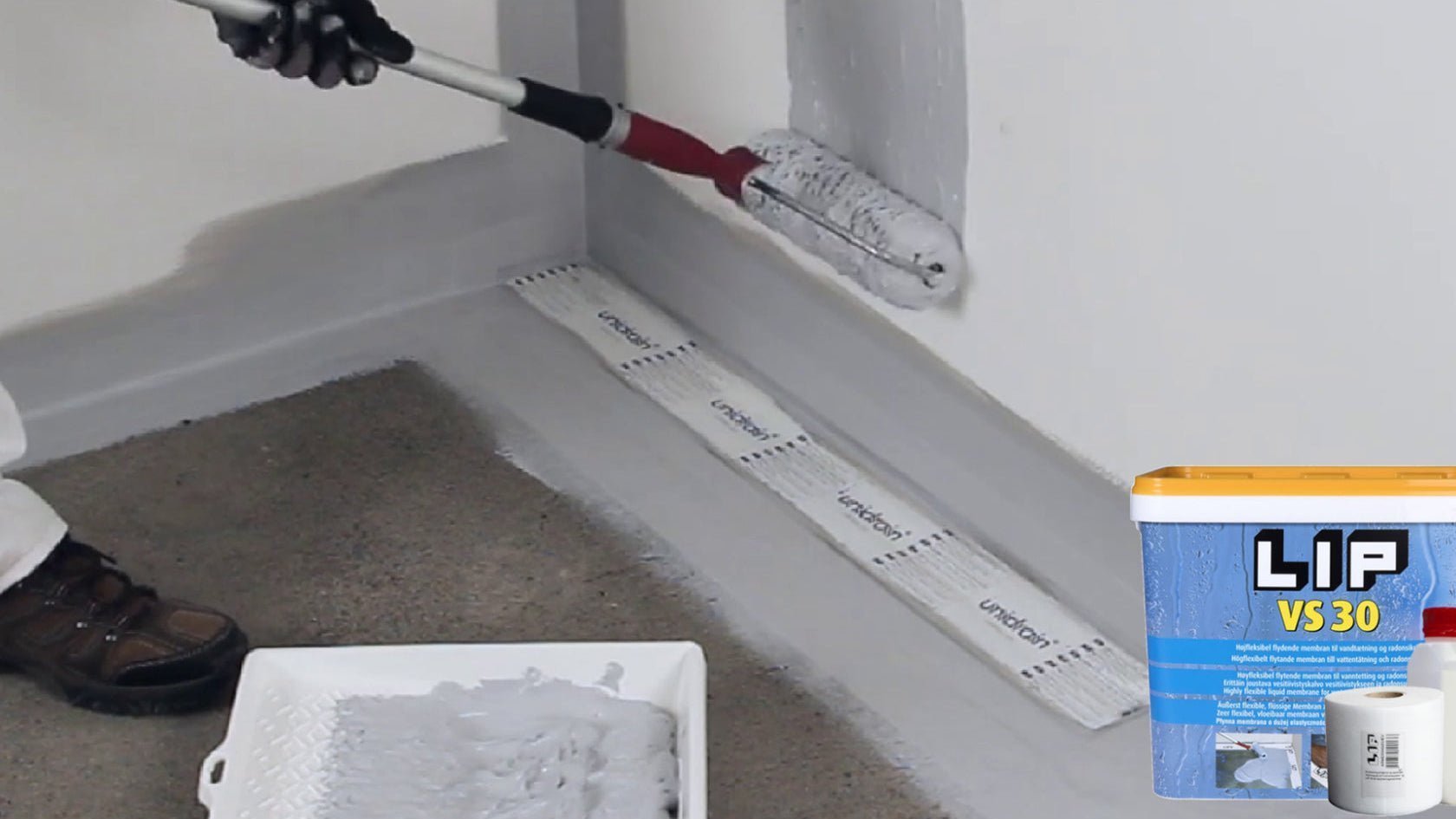
Waterproofing is the most critical aspect of a wet room. Any failure in the waterproofing can lead to leaks and water damage, which can affect not just the bathroom but also adjoining rooms and structural elements. This requires meticulous attention to detail during installation. WM works hand in hand with designers, both with the specification and the installation. For client peace of mind, our installations come with a 10-year no-leak guarantee on products and workmanship.
WM Installations
Floor Finishes: The open, wet environment of a wet room means careful consideration should be given to the floor finish. For example, glazed tiles could pose a slip hazard, and some natural stones are porous and will require regular sealing. Not all wet room drains are suitable for every floor finish. If you are considering vinyl for your floor finish, you will require a drain with a clamping ring.
Vinyl Wetroom Drains
Privacy Issues: The open-plan nature of wet rooms means less privacy compared to traditional bathrooms with enclosed showers or bathtubs. This might not be ideal for households where multiple people share the same bathroom space.
Conclusion
Wet rooms offer a modern, stylish, and practical solution for bathroom design, particularly appealing for their aesthetic appeal, improved accessibility, ease of cleaning, and efficient use of space. However, they also come with challenges but with careful planning and professional installation, the benefits of a wet room can be maximised, making it a valuable addition to contemporary living spaces.
If you are designing a wet room and need technical advice, contact our Specifications Team on 01332 840820 or sales@wetroommaterials.com
Important update to the NHBS Specifications 2018
Backing surfaces for tiling should;
- Be moisture resistant, where frequent wetting occurs
When Tiling;
- Proprietary water-resistant grouting should be used in accordance with the manufacturer's instructions.
Grouting should be:
- As specified in the design, including mix and colour
- Cement-based, epoxy resin or a proprietary product
- ‘Waterproof in and around shower enclosures and where tiling can be saturated’.
Gypsum plaster should not be used where;
- ‘Repeated or persistent wetting may occur’